
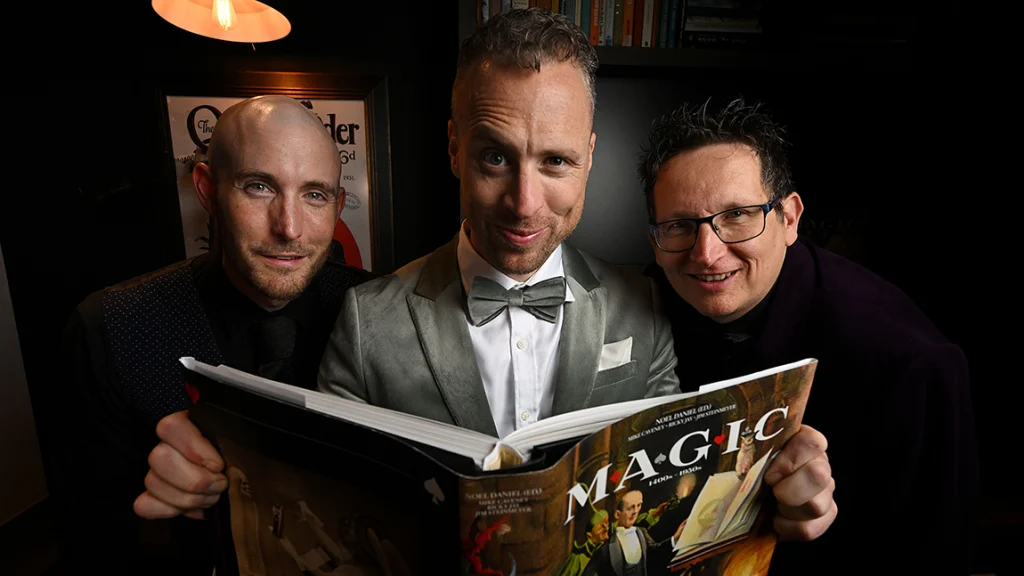
BRISBANE, Queensland, Australia, April 10, 2026 — An Australian-born magic production that launched in Brisbane is expanding globally, with live entertainment platform Fever now on board as a development and production partner.
The Theatre of Magic (styled as Theater for U.S. operations) — an intimate, close-up experience created by illusionists Christopher Wayne, Josh Norbido, and Kerry Domann, who performs as The Amazing Nigel — has grown from its Brisbane debut into a multi-city production in just over two years. Now playing in Brisbane and Melbourne, it has established a foothold in the United States as well, with shows running in Boston, Chicago, and Washington, D.C., and Austin and Houston set to follow within weeks.
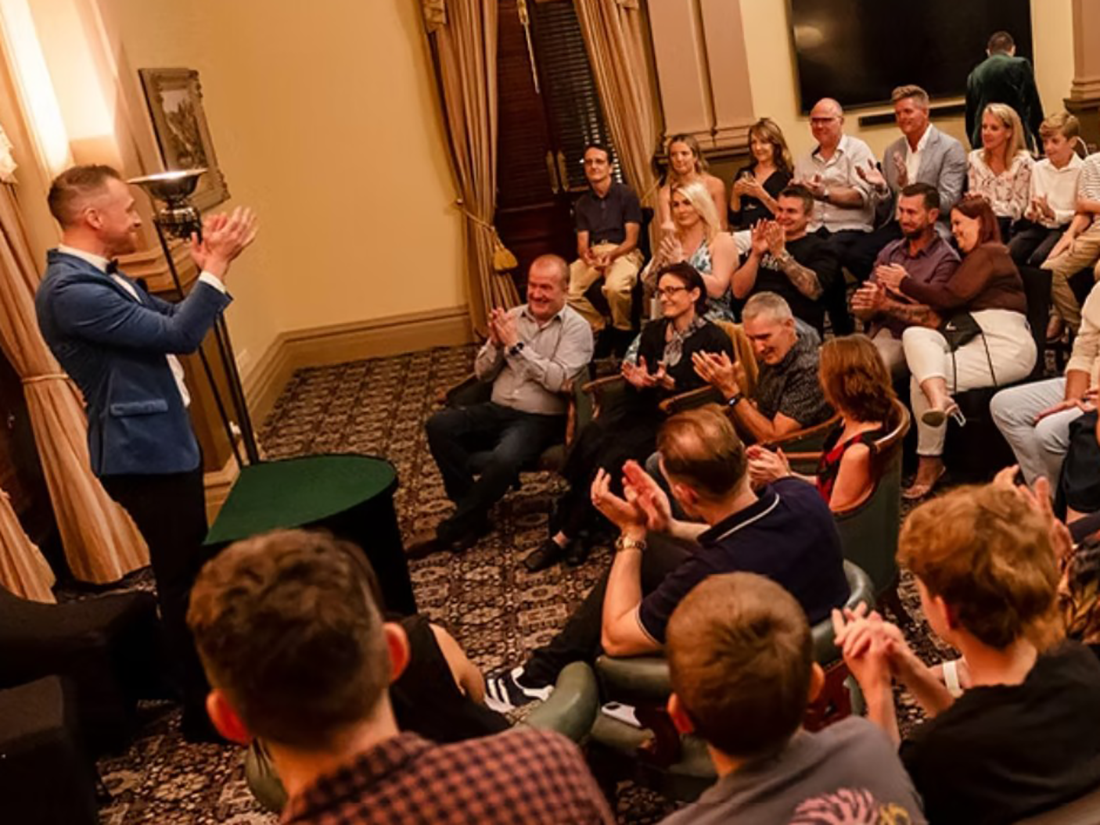
In an interview with Conjurly, co-creator Christopher Wayne was direct about what the American market has meant for the production. “They say America is the land of opportunity, and I am experiencing that first hand,” he said. “We opened Boston in late August of 2025 and have already expanded to five operating cities in just a few months.”
From Magic Show to Designed Experience
At first glance, Theater of Magic follows a familiar formula: close-up magic performed in a small room, the performer never more than a few feet from any seat.
The more important question is how that formula is packaged.
Rather than positioning itself as a traditional magic show, the production is built as a premium, repeatable experience — one that blends performance with environment, hospitality, and atmosphere. Audience sizes are kept small, typically between 40 and 60 seats. Venues are chosen deliberately, often hotels and boutique theaters. The format is designed for date nights, social outings, and special occasions.
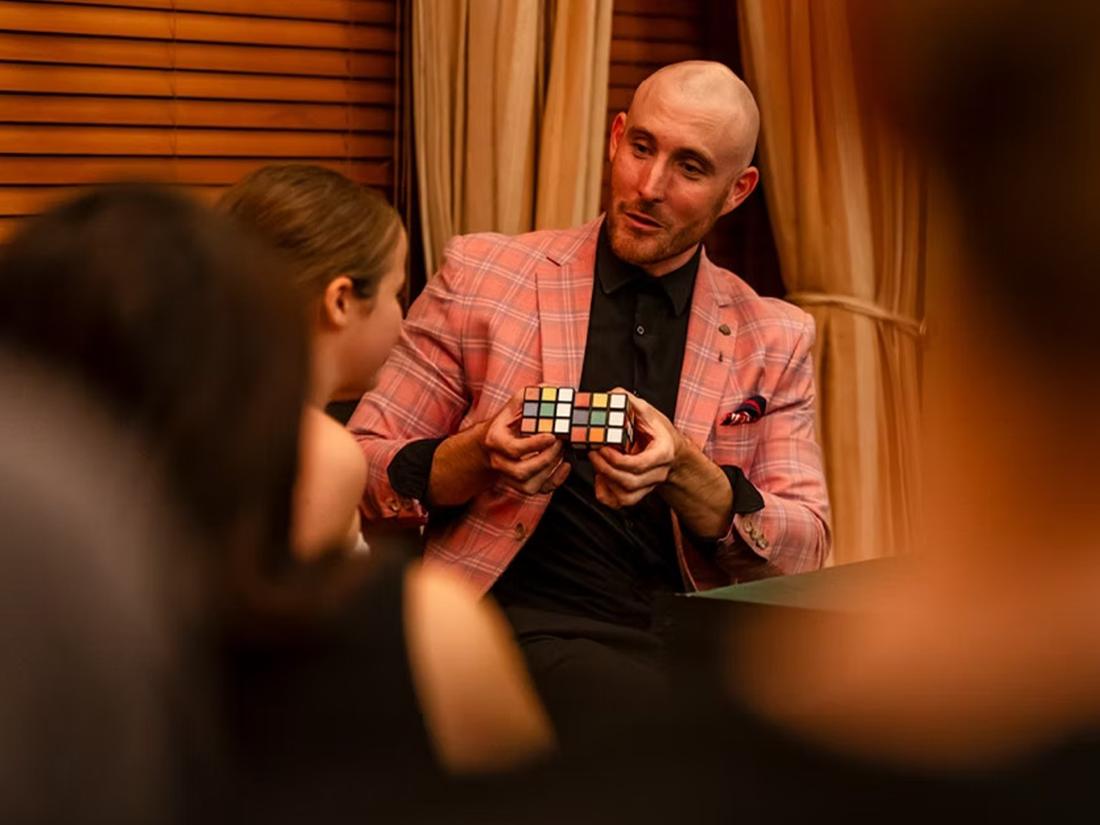
In that model, the magic is only part of the product. The rest is how the audience feels before, during, and after the performance — which places Theater of Magic closer to immersive theater and curated live entertainment than to traditional stage magic.
Why Fever’s Role Matters
Fever describes itself as a global technology platform for discovering live entertainment, connecting hundreds of millions of users with cultural experiences across more than 200 cities worldwide. Founded in 2012, it has grown into a significant player in the live events ecosystem, offering not just ticketing infrastructure but also marketing support and data-driven audience insights for experience creators. Its portfolio includes large-scale repeatable concepts such as the Candlelight concert series — which gives a sense of the scalable formats it identifies and expands.
For Theater of Magic, the Fever partnership signals a deliberate push beyond the touring headliner model: a known distribution engine helping carry the production across cities and markets. Wayne declined to detail the financial terms of the arrangement on the record.
Built by Working Magicians
The production company is led by a trio of established performers. Wayne co-created The Naked Magicians, headlining internationally across a Las Vegas residency and an Off-Broadway run. Norbido is a widely respected close-up specialist with credits spanning live performance and film consulting. Domann is a veteran known for corporate and live event work combining magic, comedy, and memory feats.
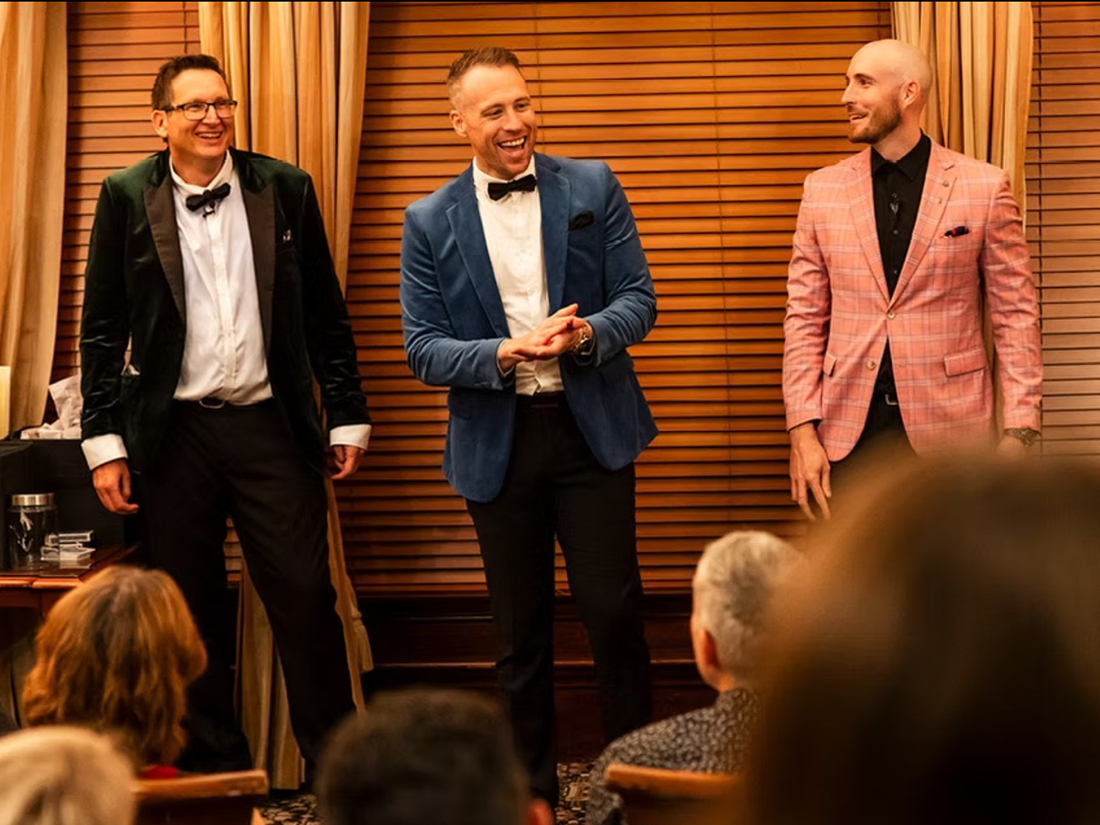
Across Australia, the production employs more than a dozen professional magicians performing regularly — a company-based model rather than a single headliner-driven show, and a deliberate one.
Wayne said the shift was personal as much as structural. “In the Naked Magicians production I played a starring role,” he told Conjurly. “Theater of Magic is all about me being able to share the spotlight with a new community of talented magicians who will perform at our venues across Australia and America — bringing world-class magic experiences to a broad range of audiences.”
A Scalable Model for Modern Magic
The broader significance of Theater of Magic may lie in what it represents structurally. Historically, magic has scaled in limited ways: touring headliners, long-running resident shows, and one-off corporate or private performances. What this model suggests is something different — magic as a modular, experience-driven product, designed to be reproduced across cities without relying on a single star.
That approach aligns with a wider shift in live entertainment, where audiences increasingly favor intimacy over spectacle, participation over observation, and memory-making over passive viewing.
Conjurly Take
The headline here is expansion. The real story is structure.
Theater of Magic isn’t just growing as a show. It’s being shaped as an experience that can travel — one that doesn’t depend on a marquee name to anchor it in each new city. With Fever’s distribution infrastructure behind it, the model has genuine reach.
The question it raises for the magic world is a direct one: Is the art form’s next chapter written by performers, or by the platforms and formats that carry them to new markets? That’s not a comfortable question. It’s the right one.
Responses