
CHENNAI, Tamil Nadu, India, March 21, 2026 — He died the way he lived — on stage.
On Jan. 6, 1971, Protul Chandra Sorcar suffered a massive heart attack as he left the stage at the end of a performance in Asahikawa, Hokkaido, Japan. He was 57. The show had been a triumph. It always was.
India’s Prime Minister Indira Gandhi mourned him publicly, writing that with his death had ended a glorious chapter of Indian magic. Messages of condolence came from governments across Japan, the United Kingdom, Australia, the United States, and the Soviet Union. A street in Calcutta bears his name.
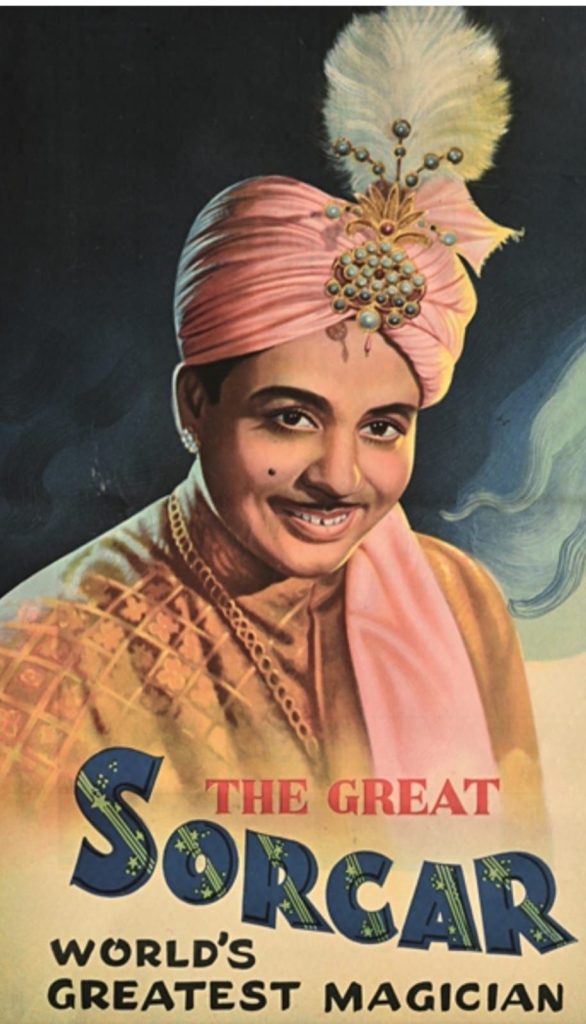
P.C. Sorcar — born Protul Chandra Sorcar in a small Bengali village in what is now Bangladesh — had spent decades doing something that seemed impossible before he ever walked onto a stage. He stripped Indian magic of its associations with street performers and fakirs and carried it onto the world’s great stages as an art form worthy of serious attention.
On an April evening in 1956, he strode onto the BBC stage adorned in silks — a peacock in a sea of gray suits — and challenged Britain’s assumptions not just with sleight of hand but with the very idea of what Indian magic could be. The BBC switchboard lit up when his buzzsaw act cut to black mid-performance. Viewers panicked. The assistant was fine. The Maharajah of Magic had simply run out of airtime. The legend has been running ever since.
Now his grandson has brought it back to Chennai.
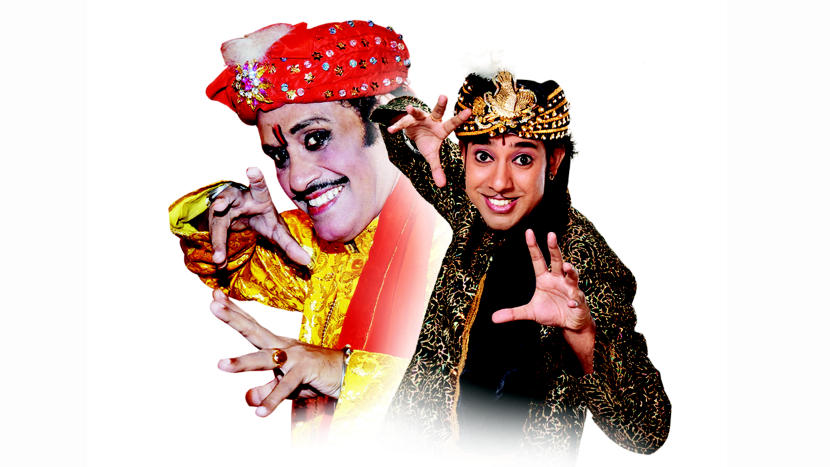
Pourush Chandra Sorcar — PC Sorcar Master, third-generation heir to the Indrajal legacy — performs weekends at the Museum Theatre in Egmore April 18 through June 7, 2026, in a collaboration that marks the first time he and Magician Dhayaa have shared a stage in India.
For Pourush, returning to Chennai carries genuine emotion. He considers it his professional home — the city where the magic came alive for him.
The show is called Indrajal. It has always been called Indrajal. The word is Sanskrit, loosely translated as illusion — though anyone who witnessed the original would argue that translation falls short.
What Pourush has built around that name is deliberately layered. The show runs in two parts with an interval featuring a 10-minute documentary on the history of PC Sorcar Sr. The classic acts are preserved — Birds from Nowhere, Temple of Banaras, the Water of India. Props his grandfather performed with appear on stage. Rare footage of the Great Sorcar screens for an audience that for many has only ever known the legend secondhand.
It is, as Pourush describes it, a virtual museum experience. But it is also something more urgent than museum work.
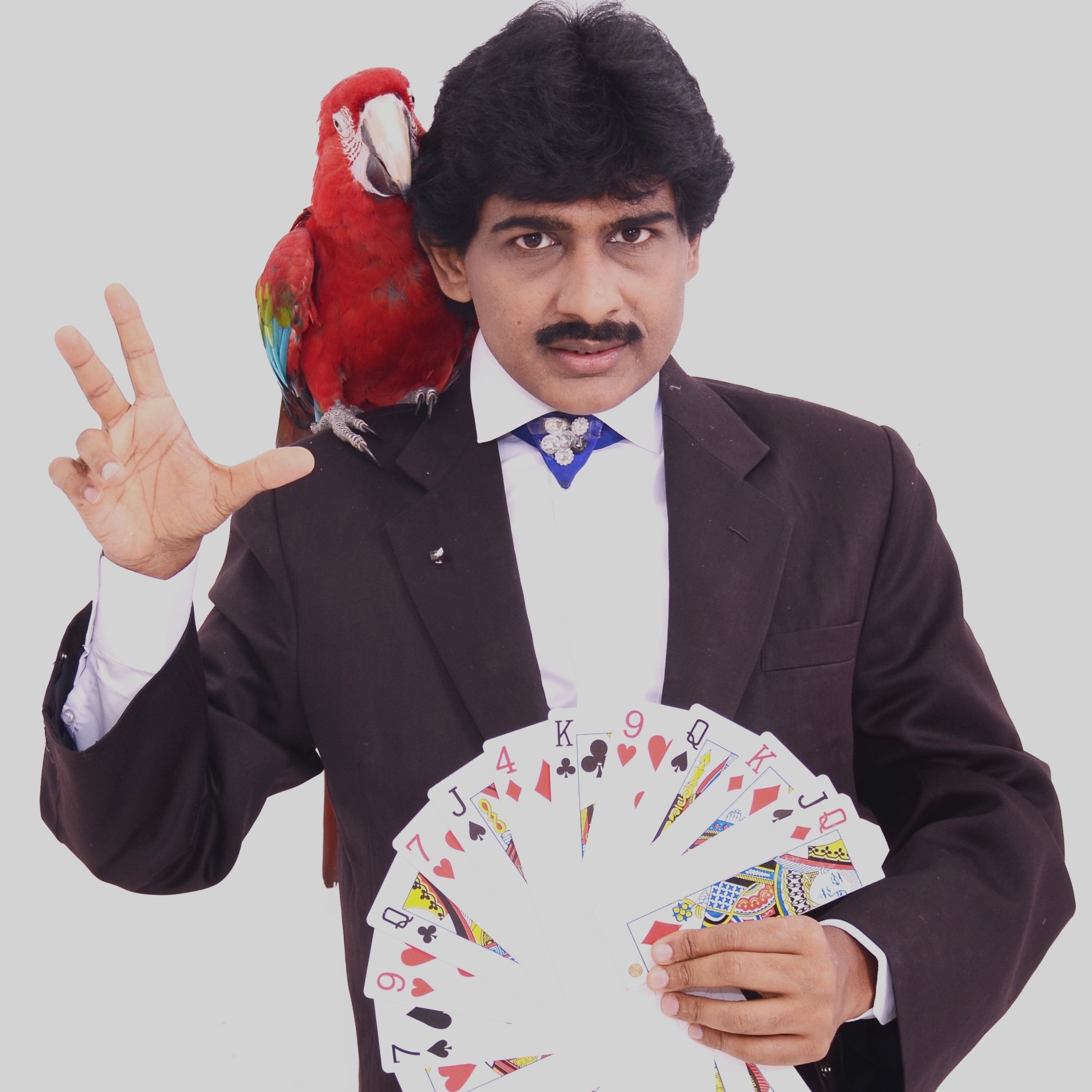
The collaboration with Dhayaa — a Tamil Nadu native who won the European Magic Grand Championship in 2018 — is where the show reaches forward. Dhayaa brings internationally decorated contemporary sensibility, including what the production describes as modern high-impact psychological illusions, to pair against the Sorcar family’s classical heritage. The contrast is intentional. Two distinct lineages on the same bill, each making the other more visible by proximity.
Pourush describes his own approach plainly. “Magic has been associated with India for the past 5,000 years,” he said, “and blending is the key to all success. Though traditionally presented, I combine tradition with technology, and that has made a significant difference.”
He came to magic sideways — nearly entering the rock music circuit as a keyboard player before a high school request in Japan redirected his path. His first solo show was in Coimbatore in 1999, before an audience of 1,200. The nerves, he still remembers clearly. The throne, as he has described it, was vacant after his father. He chose to sit in it.
What Pourush is navigating is a version of the challenge every legacy institution faces. How do you honor something without becoming its curator? How do you keep a living art alive without turning it into a museum piece?
Some audience members at recent performances have noted a reliance on older tricks. Children, by multiple accounts, have been completely in. Grandparents whisper memories to the children beside them of watching PC Sorcar Young perform the same illusions decades earlier.
That multigenerational handoff — grandparent to grandchild, inside a darkened theater, with the same illusions as the connective tissue — is not a failure of innovation. It is its own kind of magic. One that no technology can replicate and no algorithm can optimize.
Pourush has observed that post-COVID audiences are more relaxed and focused on enjoying the moment. The audience has changed. He is finding out, in real time, exactly how.
The Sorcar story has always been about more than tricks.
PC Sorcar Sr. refused to play by the West’s rules. He began each performance by drawing a mandala on stage and lighting an oil lamp — presenting his magic not as entertainment stripped of context but as something rooted in a civilization the West had systematically underestimated.
The Government of India awarded him the Padma Shri in 1964. His son received the Merlin Award. His grandson performs the same illusions in the same city his grandfather claimed as a professional home, to audiences that include people who saw the original and children who never will. That continuity is its own kind of impossibility.
The Indrajal show runs Saturdays and Sundays at 5 p.m. and 7:15 p.m. at Museum Theatre, Egmore, Chennai, April 18 through June 7, 2026. Tickets start at ₹500 and are available at BookMyShow and District.in.
Responses